

Replacement Patio Door Handle
Patio door handles are an essential aspect of the security of your home. If you notice problems with your patio door lock it is important to fix them immediately to ensure the safety of your home.
To begin, you will need to determine the current patio door lock. This will allow you to determine the type of replacement lock to order.
Identification
The lock that you have on your sliding door patio is a vital element in the security and operation of your home. Over time the lock may be damaged or worn out and need to be replaced. This could be due to a variety reasons like a broken handle, a loose latch or the inability of turning a handle spindle in a proper manner. Most homeowners can change their patio door lock on their own.
Begin by identifying the kind of lock you have. You can determine the kind of lock you have by examining how the small lever of the actuator on the handle is connected to the latch's havep or by looking at it directly. This is crucial because the type of lock that you need depends on the style of your patio doors as well as the specific issue with the lock.
Aluminum patio doors are typically equipped with mortise locks which feature a rectangular cutout. They can also be found on wood and vinyl patios doors. These locks are usually mounted inside a recess of the frame of the patio door and feature rectangular screw holes. You can also make use of a digital camera to capture a picture of the lock and relay this information to the supplier you purchase from. This is a great method to ensure that the new patio lock aligns with the existing system.
On older patio doors, you can see locks that have top and bottom tabs. They are typically more secure than the sliding bolt-style lock as they connect to the frame of the door and stop the door from being lifted or forced open. The sliding bolt locks are more frequent on newer patio doors since they utilize a slide bolt that retracts into a strike plate for added security and strength.
You can add an additional lock to your patio door to increase security. Simply replace the knob that is in place with one that is compatible with the keyed locking system. This is an excellent way to protect your family, pets, and your possessions, and prevent intruders accessing your patio door, especially if your area has high rates of crime.
Cleaning
If a patio door lock working correctly, it holds the door securely against unwanted intruders and weather elements. Locks for doors that are outside, like all hardware, require periodic oiling and cleaning to prevent them from becoming stiff and ineffective to work effectively. The good news is, cleaning them is simple, simple and affordable and is attainable by any homeowner.
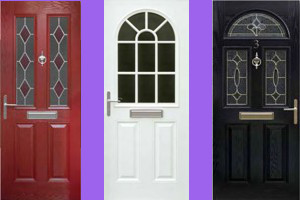
A squeaky door is usually caused by dirt and dust accumulation within the mechanism. Baking soda and vinegar are a simple solution that can be used to break up grime, making it easier to clean with brushes or sponges. It's a good idea, when cleaning, to make use of a compressed air can to blast away any stubborn dirt.
To prevent squeaks when cleaning, a light coating of lubricant must be applied to the keyhole, latch and other moving parts. Be sure not to over-apply the lubricant, as too much can attract dirt and cause interference with functionality.
After lubrication is complete The lock must be tested to ensure that it is functioning properly. If you notice that the lock is still squeaky there may be a small misalignment between the frame or hinges with the door. If this is the case, it's important to correct the issue before it becomes more severe by adjusting the door until it is flush with the frame and the locking points align.
It's an enormous issue when your uPVC handle doesn't move and leaves you open to intrusions from the elements. The problem can be caused in a number of ways, from minor changes in weather to lack of maintenance on movable parts. If the issue is dealt with promptly, the door can be restored to its original functionality. The best method to safeguard your home is to maintain your uPVC doors and locks through regular cleaning and maintenance.
Lubrication
Rust, dust, or debris could cause issues with the lock mechanisms on your patio door. They can be difficult to open and latch. In these cases there is a need for lubrication to resolve the issue. You must clean your lock mechanisms first before applying lubricant. The lubricant should not be oily because it will draw dust particles, which could cause more problems for your patio doors. Hardware stores sell dry lubricants which are ideal for locking mechanisms that require lubrication.
Generally, the best lubricant for locks is powdered graphite. It has been used by locksmiths to grease small metal parts for years because it doesn't attract dust like liquid oils. It has a waxy feel that stays in the lock for a long time to provide lubrication. Graphite is safe to use and can be applied regularly to keep the lock working smoothly.
If you are looking to lubricate your lock, you must clean it first using an agent that penetrates the lock like WD-40. After cleaning then, you can apply a dry lubricant on the keyhole, cylinder and the lock mechanism. This will allow the lock to function smoothly and prevent it from getting stuck or jamming.
A good quality silicone spray is available in most hardware stores, under various brands. This kind of lubricant is the best and comes in various sizes. It also helps protect the lock from corrosion. The majority of people used WD-40 or other oils on items that had small moving parts prior to when dry lubricants became available. However, this method can draw dirt and clog your lock.
If your patio door handles are difficult to open or close, you might require replacing the lock assembly. This issue is typically caused by loose screws or rust or incorrect alignment of the latch. The process of replacing the locks is simple and requires only a little effort. If you're unsure of what to do, ask an experienced company for help.
Installation
The patio door lock is among the most vital components of your home's security system. A lock of high-end quality that is in good working condition will protect your family and possessions secure from intruders who aren't yours. Regular inspection and maintenance of the lock can help ensure that it's operating properly. If you notice any problems with your patio door lock, it is recommended that you seek assistance from a professional. A locksmith or door hardware specialist can give you the guidance you need and will help to ensure that your new patio door lock is set up correctly.
You'll need to find the handle on your patio door. The keyway is where the key goes to lock or unlock the door. When purchasing a new lock, you can accurately describe the keyway by taking a digital image.
You should also take note of the type and size of the lock. Different types of locks have different mounting holes, directions of swing, and sizes of hasps. These details will help you determine which type of patio door lock to choose for your sliding doors.
Surface mount locks like those used here by Cal-Tech are simple to install and are suitable for most sliding patio doors. The handle that was previously installed is removed using an screwdriver, however the surface mount lock is able to be installed after the screws are removed.
Steel mortise locks are the most commonly found on aluminum and wooden frame for patio doors. They are placed in a small pocket cut into the door frame. They are more difficult than other types of patio door locks to replace, but with a bit of time and effort, you are able to make it.
replacement lock for upvc door will need to know the size of the mortise lock you have to be able to find the right replacement. Most mortise locks are of the same size, however there are some key distinctions. The most notable difference is that some lock models have vertical keyways while others have them angled at 45 degrees.